
When the Buyer Backs Out a Day Before Closing in El Paso

What was the situation?
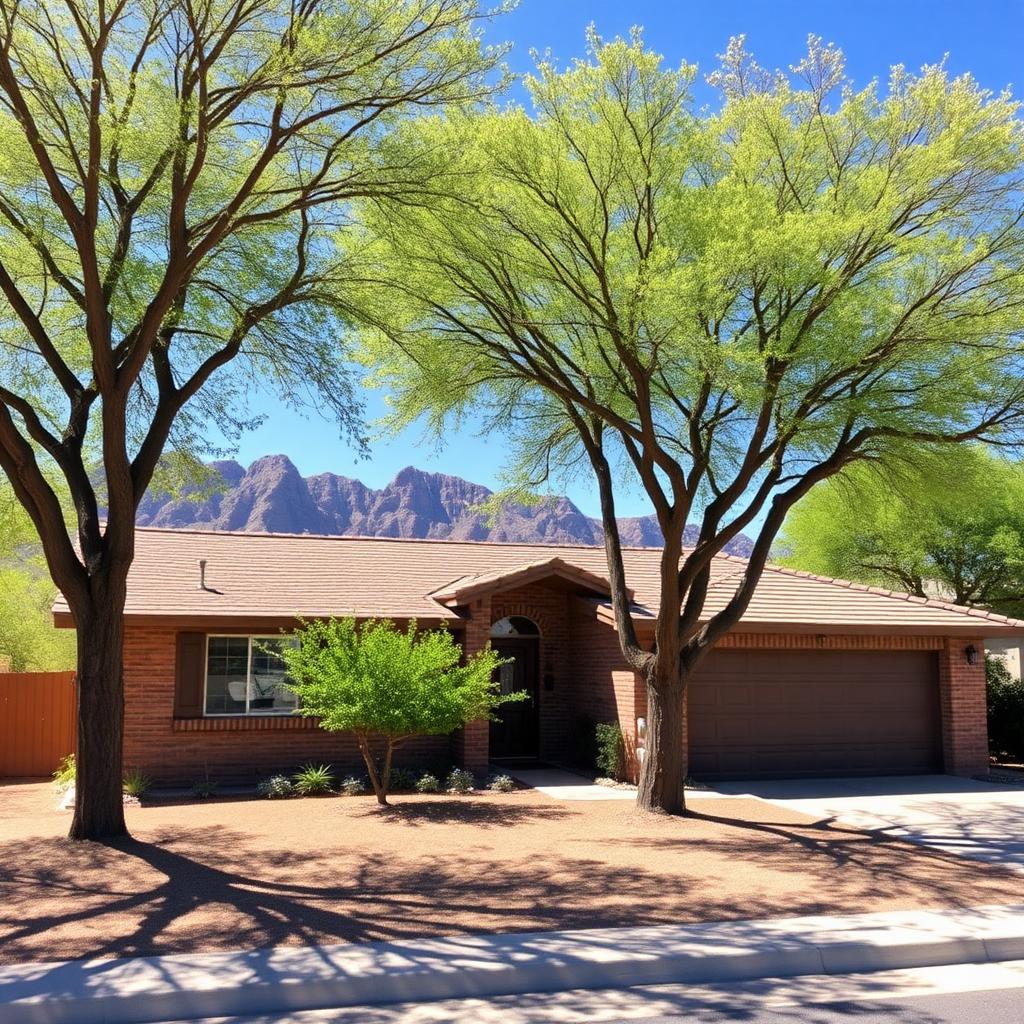
Jesus and Bianca had lived in their Northeast El Paso home for years and had remodeled it over time to make it as modern as they could. Eventually they came to the conclusion a lot of people come to: they didn't want a remodeled older home. They wanted a new one.
That meant sell and buy at the same time, which is the transaction where most people get stuck.
What made this hard?
Homes in their Northeast neighborhood were averaging 60 to 90 days to sell.
Their priority was a move-in ready new construction home. Here's the catch with move-in ready: the builder wants your current home under contract before they'll hold it for you. There were very few move-in ready options in their price range, and the ones they liked were going to be gone if we took two or three months to sell.
So the whole plan hinged on selling fast, in a neighborhood where fast was not normal.
What did we do first?
We sat down with them in person and built the plan before anything happened. Sell first or buy first, what the timeline looks like either way, and what breaks if one side moves faster than the other.
Then we got them with a lender, so they knew exactly what they'd qualify for once their down payment came out of the sale. Not a guess. An actual approval, with an actual number.
Once they saw the price range they'd be in after selling, they were comfortable moving forward.
How did we sell it in 13 days?
We listed at $285,000 and set a price reduction schedule before the sign went in the yard. Every 7 days, the price drops on a plan we agreed to in advance.
This is the part most sellers get backward. Pricing high and waiting to see what happens is how homes sit for six months. Pricing high with a schedule is a different thing entirely, because the price is always moving toward the market instead of sitting above it hoping.
We dropped once, by $10,000, to $275,000.
Before day 14, we had an offer at $260,000 with closing costs covered. We worked them up to $265,000.
Thirteen days, in a neighborhood averaging 60 to 90.
What almost killed the deal?
The inspection.
The buyers came back with more than 15 requested items. Isacc, the agent who handled this sale, countered with a $1,000 repair credit, which was aggressive, and we knew it. Our job is to protect our seller's money.
The actual cost of those repairs was about $4,000.
The buyers were not happy. They came back asking to drop the price to $259,000, down from our $265,000 contract. That's a $6,000 ask on $4,000 of repairs.
Isacc got their agent on the phone and walked her through the real numbers with actual quotes. She said her buyers believed the repairs were $6,000. He showed her where that was wrong.
They still wouldn't move much. Their final position was $260,000 with no repair requests at all.
Why did we take a $5,000 price cut?
Because we did not think the home was going to appraise at $265,000.
That was the read. If the appraisal came in low, we were going to end up at $260,000 anyway, and we'd still be on the hook for repairs. Taking $260,000 now with zero repairs was the same money with less risk.
We advised them to take it. They did.
The appraisal came in at exactly $260,000.
So the price cut cost nothing, and our sellers did not do a single repair.
When the appraisal does come in short, dropping the price is only one of the moves. Here is what an El Paso seller can do when the appraisal comes in low.
We want to be straight with you before the next part. That is the deal we fought for, and it is the one that did not survive.
Then they changed their minds
Mid-transaction, Jesus and Bianca decided they didn't want a move-in ready home after all. They wanted to build from the ground up.
That changed everything, and we told them so. Our advice was to hold off on selling until we were about three months out from their new home being ready. That way the timing lines up and they move once. That is the same three month window our team uses on every one of these, for exactly the reason you are about to read.
They didn't want to do that. Their priority was locking in the right price on their house, and we already had a buyer at the right price. They wanted the sale done and off their mind.
We're confident we could have sold that home again just as fast four months later. But it wasn't our call, and we told them what we thought before they made it.
That was the plan going into closing week. It is not what happened.
Then the buyer backed out, one day before closing
One day. We were clear to close, the movers were booked, and the buyer walked. What that does to a seller, and what you keep, is in what happens if your buyer backs out.
We are not going to dress that up. It is the worst phone call in this business, and it is the exact thing every seller in El Paso is afraid of when they agree to sell before they buy.
Here is what did not happen. Jesus and Bianca did not lose the new build. They did not scramble. They did not take a bad offer to make a deadline.
Because we had already built room into the plan, months before any of this.
What happens if your buyer backs out before closing?
Here is the actual rule, and it is a number, not a feeling.
When somebody in El Paso is selling to move into new construction, we put their current home up for sale about three months before the new one is ready. Not six. Not three weeks. Three months.
That number is doing two jobs at once, and most people only think about one of them.
List too late and you have no room. A buyer backs out in week two and there is no week three. So you take whatever offer is sitting in front of you, or you lose the house you are building. That is not negotiating. That is accepting.
List too early and you win the sale and lose the year. You sell, you close, and then you are in a rental or a spare bedroom until November, paying for a storage unit you will still be paying for in the spring.
Three months out is the window where you have enough runway to survive a buyer walking, and not so much runway that you are camping out waiting on drywall.
In this transaction, that runway is the only reason the fall-through was survivable. Their new home was not finishing until November. So when the buyer backed out in September, we were not out of time. We were early.
We went back on the market and ran the marketing harder than we did the first time. Under contract again in two weeks.
That is the whole difference between a deal falling apart and a deal falling behind. One of them costs you a house. The other one costs you two weeks.
And you do not get to decide it after the fact. That window either exists before the sign goes in the yard, or it does not exist at all.
Where does this stand right now?
Under contract again, and scheduled to close in November.
Here is the part we did not see coming. That November closing lines up almost exactly with their new construction home being ready. They sell, they close, and they move into the new house.
One move. No living with family for two months. No storage unit they are still paying for in the spring.
Which, if you read back a few sections, is exactly what we recommended in the first place, and it is the plan they decided against. They wanted the sale locked in and off their mind, and we understood why. The buyer backing out handed them the original timeline anyway.
We would rather have gotten there on purpose. But we will take it.
If you want the short version of what actually happened here: they listed earlier than the window we recommend, which is what put a two month gap between selling and moving in. The buyer backing out pushed the sale back into that window. It corrected itself the expensive way instead of the planned way, and they got the outcome either road leads to.
For the record, the first sale did everything it was supposed to do. Thirteen days on market in a 60 to 90 day neighborhood, at a price that appraised to the dollar, with zero repairs. The strategy was not the problem. The buyer was.
What would our team tell someone in the same spot?
If you're selling in El Paso to buy new construction, decide one thing before anything else: are you buying new construction move-in ready, or building?
Move-in ready means your house has to be under contract before the builder will hold it. That forces you to sell fast, which means your pricing strategy matters more than anything else you do.
Building means you have eight months or more, which means you can time your sale and move once instead of twice.
The mistake is starting one way and switching halfway. It's doable, but you pay for it, usually by living with family for two months.
And whichever you pick, set your price reduction schedule before you list. Pricing high without a plan is how homes sit.
And build room into your timeline. Every sale and purchase run at the same time has a version where something falls apart at the last second, and you do not get to pick which second. If your plan only works when everything goes right, it is not a plan. It is a wish.
FAQ
Can I buy a new construction home before selling my current one in El Paso?
For a move-in ready home, usually not. Builders generally want your current home under contract before they'll hold a completed house for you. If you're building from the ground up, you have more room, because the eight to twelve month build timeline gives you space to sell later.
How do I sell my home fast in El Paso without underpricing it?
Set the price with a reduction schedule agreed to before you list. We listed this home at $285,000 with planned drops every 7 days, dropped once to $275,000, and were under contract by day 13 in a neighborhood averaging 60 to 90 days.
What happens if the buyer asks for a lot of repairs?
You negotiate, and sometimes a price reduction is better than doing the repairs. On this one, the buyers wanted $6,000 off for about $4,000 of repairs. We took $260,000 with no repairs instead, because I didn't think the home would appraise at $265,000. It appraised at exactly $260,000.
Should I sell first or buy first when moving up in El Paso?
It depends on whether you're buying new construction or resale, and how flexible your timeline is. If you can wait until your new home is about three months from ready, you sell once and move once. If you need a move-in ready home now, you sell first. We build that timeline with you before anything goes on the market.
Where will I live between selling and moving in?
That's the question people forget to ask. In this case they stayed with family for about six to eight weeks. Other options are a short-term rental or a leaseback from the buyer. Decide this before you list, not after.
What happens if my buyer backs out before closing in El Paso?
You go back on the market, and how bad that is depends entirely on how much room you built into your timeline before you listed. If your purchase is closing in three days, it is a crisis. If it is closing in two months, it is a delay. This is the single biggest reason to plan the order of your sale and your purchase before the sign goes in the yard, and it is the part most people skip.
This case study is being published while the transaction is still in progress. As of September 2026, the home is under contract with a second buyer and scheduled to close in November 2026. Nothing on this page is a prediction, and we will update it when it funds. Names and figures used with written client permission and broker sign-off.